

New Industry Report: How 300 Food Professionals are Redefining Workplace Dining and Sustainability
The Future of Food: What 2026 Has in Store for the UK Food Industry
As we look at 2026, the UK food landscape isn't just changing; it’s being completely reimagined. We recently surveyed 300 professionals from across the food industry to get their take on where we’re headed. The results? A fascinating blend of high-tech efficiency, bold global flavours, and a massive shift in how we eat at work.
If you’re planning your office catering or looking to stay ahead of the industry curve, here is what the next 12 months (and beyond) look like.
Turn Up the Heat (and the Health)
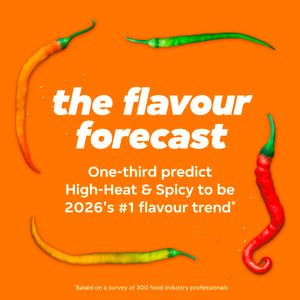
First, let’s talk taste. If your office lunch feels a bit "safe" right now, prepare for a wake-up call. The 2026 palate is looking for complexity and excitement, with 33.3% of industry experts predicting that High-Heat and Spicy profiles (think Sichuan peppercorns and Nashville Hot) will dominate menus.
The flavour leaderboard is a close race between bold intensity and deep complexity: Sour and Fermented flavours (like Kimchi and high-citrus vinegars) took the second spot at 25%, while Umami and Savoury profiles (Miso, mushrooms, and aged cheeses) followed closely at 24.3%.
But the most significant shift isn't just about flavour—it’s about what that food does for our bodies. We are moving into the era of "Smarter Sipping," where 22.7% of respondents identified functional drinks—those infused with gut-friendly probiotics or brain-boosting nootropics—as the top trend to watch for 2026.
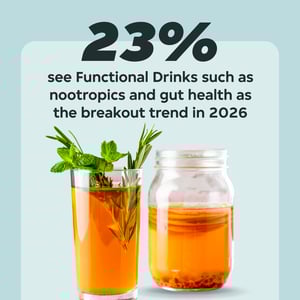 This shift is backed by massive market momentum: the UK functional beverage market was projected to reach £2.4 billion in 20241, driven largely by a "proactive wellness" culture. Leading the charge are Nootropics (natural cognitive enhancers like Lion’s Mane or L-Theanine) and fermented staples like Kombucha. These drinks don't just provide hydration; for example, the probiotics and organic acids found in Kombucha support the gut microbiome—where roughly 70% of our immune system lives—while nootropics like Ashwagandha help the body adapt to stress and maintain "relaxed focus" during the workday.
The demand is undeniable: 49% of Gen Z consumers2 are already swapping traditional sugary sodas for these functional alternatives. With sales of health-oriented drinks surging 54% year-on-year, the future of the office fridge is officially fermented, fortified, and focused. It’s no longer just about lunch; it’s about fuel that helps you focus.
AI: The New Sous Chef
Behind the scenes, the industry is continuing to innovate. 30.7% of experts say operational efficiency (driven by AI and robotics) is the biggest area for innovation. So don't just think "robots in the kitchen"; it’s about running a smarter business.
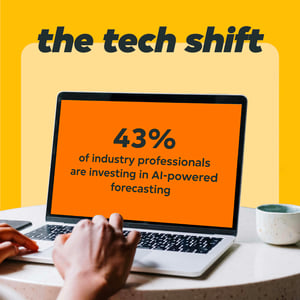 In fact, 43.3% of food businesses are prioritising investment in AI-powered inventory and demand forecasting. Using advanced algorithms to analyse everything from past sales and seasonal trends to real-time weather and social media hype, this type of tech will be a game-changer for businesses. Taking the guesswork out of ordering, it can help tackle food waste, ensure customer favourites are always in stock, all while reducing overspend on surplus. For the customer, this means fresher food and fewer "sold out" signs, as businesses use data to predict and optimise to exactly what we want to eat and when.
The Wellness Revolution at Work
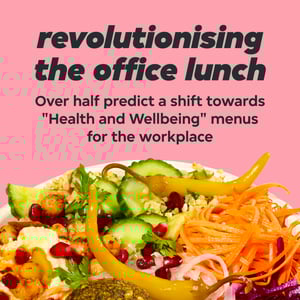
The "standard" office lunch is evolving from a simple break into a cornerstone of employee engagement. Our data shows a staggering 58% of experts expect workplace food services to shift toward health and wellbeing menus. This isn't just about offering a side salad; it’s a strategic move to combat the "3 p.m. slump."
 Aligning with research from the International Labour Organization (ILO), which suggests that proper nutrition can lead to a productivity boost of up to 20%, industry leaders are realising that balanced, gut-friendly meals are a business essential. By stabilising blood sugar and improving cognitive function, these menus provide the steady energy teams need to perform at their best.
But it’s not just about what’s on the plate—it’s about the quality of the experience. 28% of respondents see an increased demand for premium, high-quality food options in the office. In the era of hybrid work, providing a high-end dining experience is a powerful tool for culture-building; it rewards employees for their time in the office and fosters the kind of "watercooler" collaboration that only happens over a great meal. To keep up with this fast-paced environment, 35.7% also expect more flexible, on-demand delivery options, ensuring that whether your team is in a deep-work sprint or a creative brainstorm, premium fuel is always just a tap away.
Sustainability is the Strategy
Finally, "going green" is moving from a nice-to-have to a core business strategy. Rather than just adding a few vegan options, the industry is looking at the bigger picture.
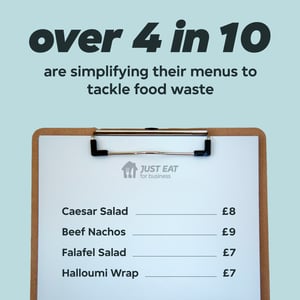 43% of businesses plan to streamline and simplify their menus specifically to reduce waste, while 39.7% are doubling down on locally-sourced ingredients. The future of food is more than just a new flavour of the month; it’s a more efficient, more healthful, and more sustainable way of feeding the nation.
At Just Eat for Business, we’re already seeing these trends take shape. Whether it’s spicy Sichuan chicken or gut-friendly kombucha, we’re ready to help your office taste the future.
This report was based on a survey of 300 UK-based food industry professionals conducted in late 2025.
1. https://theontrade.com/en/blog/your-business-11/trends-21/the-rise-of-functional-beverages-in-the-uk-market-241.htm
2. https://uk.qualityfoodawards.com/QFA2025/en/node/newsarticle-gen-z-drives-54-surge-in-uk-functional-drinks-as-health-replaces-caffeine-and-alcohol?type=NewsArticle

Subscribe to the blog